A waterproof concrete sealer is the single best defense against Kannapolis's humid summers and heavy spring rain. Unsealed concrete absorbs moisture, which leads to staining, mildew, and surface pitting within just a few seasons. This guide breaks down sealer types, real cost ranges, and the exact process we follow on local patios and driveways, so you know what to ask for before you hire anyone.
Visit Ward Contracting to see our services and request a free estimate.
Why Kannapolis Concrete Needs a Waterproof Sealer
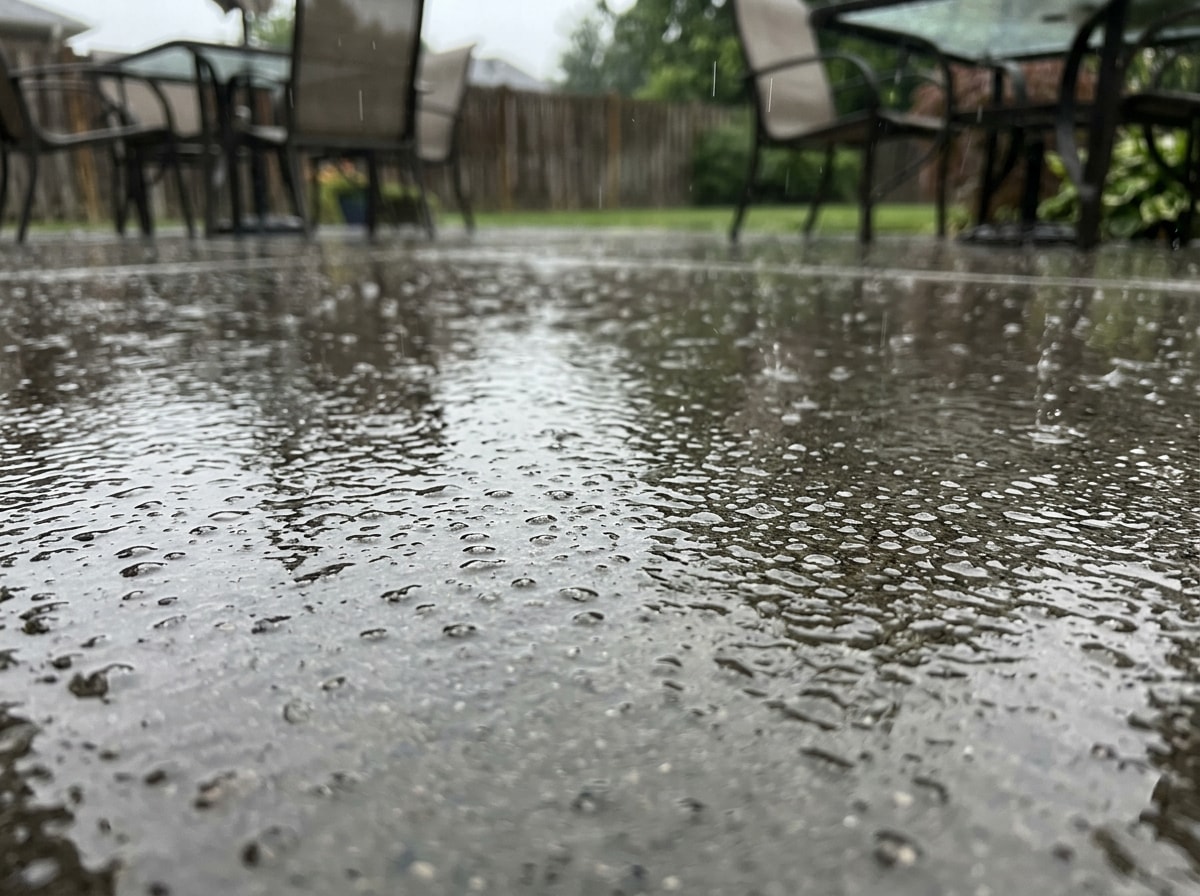
Kannapolis sits in the same humid subtropical climate zone as the rest of the Charlotte metro, where average relative humidity runs near 73% and rain falls on a regular basis throughout the year, according to National Weather Service climate data for Charlotte. That combination of moisture and summer heat is exactly what breaks down unprotected concrete.
Sealing a patio, driveway, or walkway in this climate delivers a few specific benefits:
- Richer color retention on stamped and stained concrete
- Stain resistance against oil, pollen, and grill grease
- Reduced weed and moss growth in paver joints
- Genuine moisture protection that limits mold and mildew forming beneath the surface
- Fewer freeze-thaw cracks during the occasional winter cold snap
Types of Waterproof Concrete Sealers (and What They Cost)
Not every sealer does the same job. Picking the wrong type is the most common reason a sealer fails early.
| Sealer Type | Typical Lifespan | How It Protects | Best For |
|---|---|---|---|
| Penetrating silane-siloxane | 5-10 years | Soaks into pores, repels water below the surface | Driveways, pool decks, exposed patios |
| Acrylic (film-forming) | 1-3 years | Forms a thin surface film, adds sheen | Stamped or decorative patios |
| Epoxy / polyaspartic | 5-10 years | Thick, bonded topical coating | Garage floors, high-traffic slabs |
Penetrating sealers are the standard choice for exterior concrete that takes direct weather. They bond chemically inside the pore structure instead of sitting on top, so they don't peel or yellow in UV light. Industry guidance from the American Concrete Institute covers how these protective systems reduce water and chloride intrusion over time.
Acrylic sealers give stamped and colored concrete that wet, glossy look homeowners want for patios. They're more affordable upfront but need recoating every 1 to 3 years, especially on surfaces that see full sun. If you have a stamped patio, our stamped concrete sealer guide for Pineville homeowners covers gloss versus matte finish decisions in more detail.
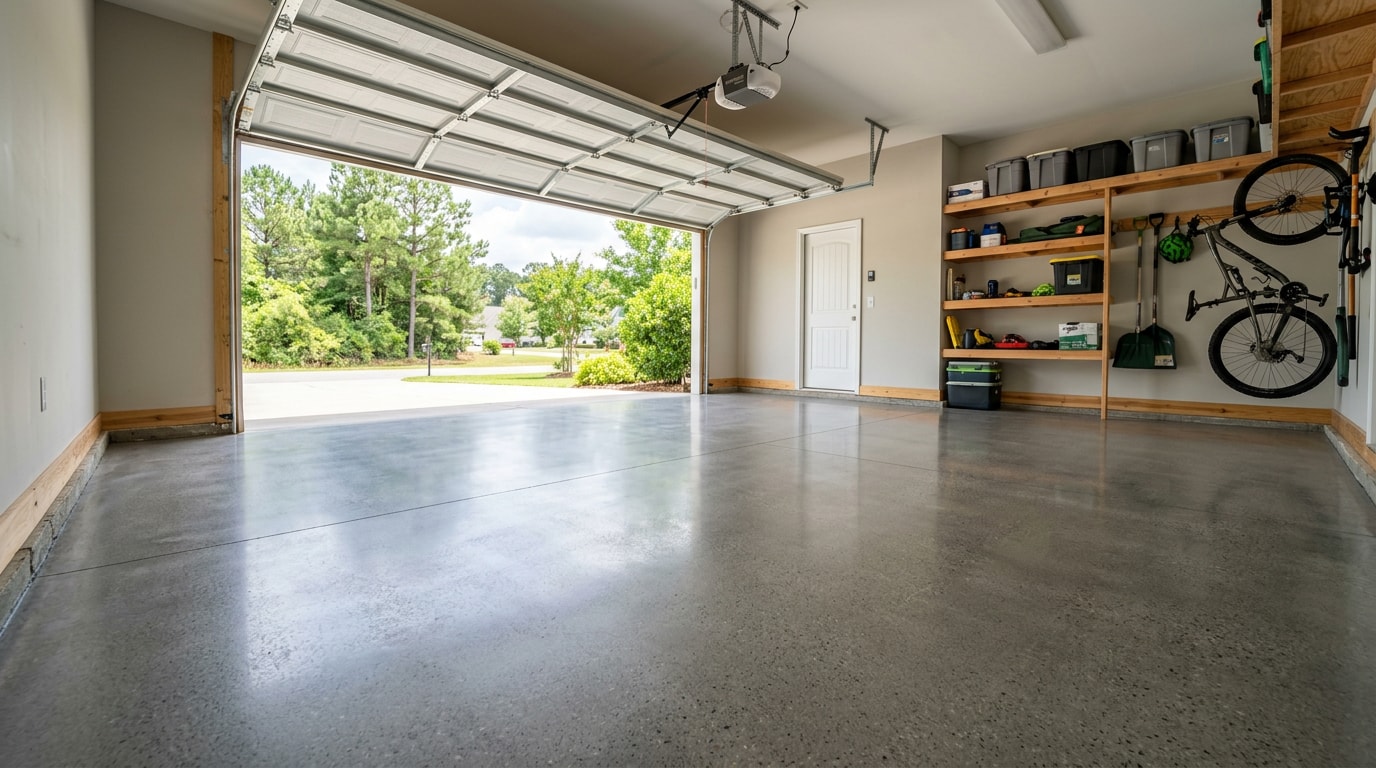
Epoxy and polyaspartic coatings cost more per square foot but hold up to vehicle traffic and chemical exposure, which is why they're common on garage floors rather than open patios.
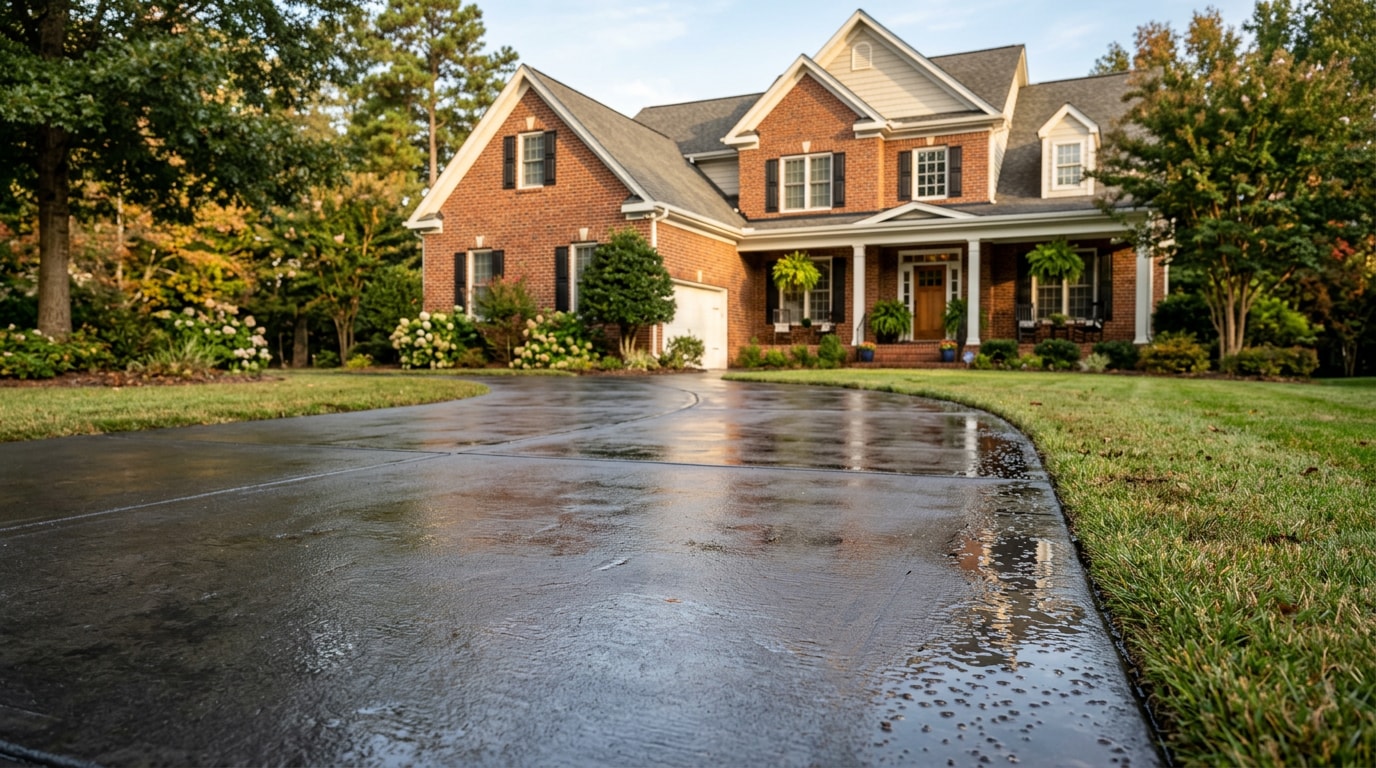
Across most residential jobs, installed sealing costs land between $1 and $3 per square foot depending on sealer type, surface condition, and prep work required. A typical two-car driveway runs a few hundred to around $1,700 total; epoxy coatings push that number higher because of material and labor.
Surface Prep: The Step Most Sealing Jobs Skip
Sealer performance depends almost entirely on what happens before the sealer ever touches the slab. The International Concrete Repair Institute publishes surface preparation guidelines (ICRI 310.2) specifically because mismatched prep is the leading cause of sealer failure industry-wide.
In practice, that means:
- Inspect the slab for cracks, spalling, or existing coatings that need to be removed first.
- Pressure wash to strip pollen, algae, and residue so the sealer can bond.
- Etch hard-troweled concrete to open the surface pores, since smooth finishes resist absorption.
- Prime porous block or masonry before sealing, or the coating will peel prematurely.
- Let new concrete cure for roughly 28 days before the first sealing.
On a recent Kannapolis patio, we found a previous acrylic sealer had failed in under two years because the slab was never etched. Switching to a properly prepped penetrating sealer solved the water-beading problem on the first application.
Our Step-by-Step Sealing Process
- Inspection and product recommendation based on slab age, finish, and sun exposure
- Pressure washing to remove dirt, pollen, and old residue
- Joint sanding for paver patios, locking sand between joints before sealing
- Sprayer or roller application for even coverage without pooling or streaks
- Cure and walkthrough, confirming the surface is dry and water-beading before we leave
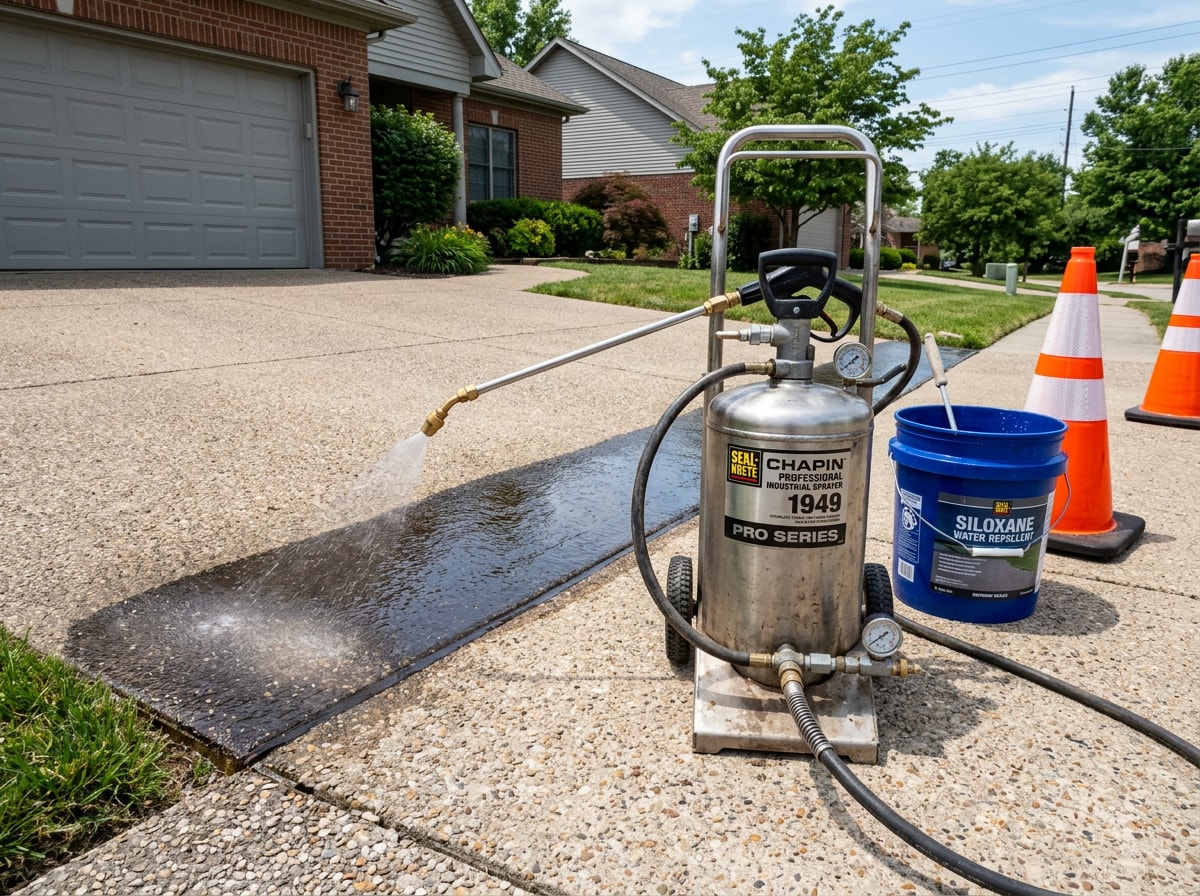
Need a quote for your own driveway or patio? Request an estimate and we'll walk the surface with you before recommending a sealer type.
Concrete Surfaces We Seal
We seal patios, driveways, walkways, pool decks, garage floors, curbs, and sidewalks throughout Kannapolis. Pool decks and driveways exposed to freeze-thaw cycles benefit most from true waterproofing, while purely decorative patios may only need a lighter cosmetic sealer. You can browse completed work on our projects page to see examples of recent concrete and sealing jobs.
Why Homeowners Trust Ward Contracting for Concrete Sealing
This guide was written by Mike Ward, owner of Ward Contracting Inc., a licensed and insured contractor serving Kannapolis and the broader Charlotte metro. Our crews handle sealing alongside paving, grading, and retaining wall work, so we see firsthand how moisture damages concrete and asphalt surfaces across Mecklenburg and Cabarrus counties.
What that means for you:
- Licensed and insured for residential and light commercial sealing work
- Locally based, with crews already working in Kannapolis, Concord, and surrounding communities
- Eco-friendly cleaning and sealing products safe for kids and pets
- Free, no-obligation estimates before any work begins
Visit {{SITE_URL}}/) to see our full range of concrete and paving services, or go straight to our area page for Kannapolis, NC for local project examples.
FAQ
How often should you seal concrete in Kannapolis, NC?
Reseal acrylic-coated patios every 1 to 3 years. Penetrating silane-siloxane sealers on driveways and pool decks typically last 5 to 10 years before needing reapplication, depending on sun and traffic exposure.
Does sealing concrete make it waterproof?
Sealing dramatically reduces water absorption but isn't a complete waterproofing system on its own. Below-grade areas or spots with high hydrostatic pressure, such as basement walls, need additional waterproofing measures beyond a surface sealer.
Will sealing make the concrete surface slippery?
Not necessarily. Non-slip additives are available for glossy acrylic sealers, and penetrating sealers naturally maintain grip, making them a solid choice for pool decks and walkways.
What time of year is best to seal concrete in North Carolina?
Spring and fall offer the best sealing conditions in the Piedmont region. Both avoid the peak summer humidity that slows curing and the winter cold that keeps surface temperatures below the sealer's minimum application threshold.
How much does it cost to seal a concrete driveway in Kannapolis?
Most residential sealing jobs run $1 to $3 per square foot installed, depending on sealer type and prep work. A standard two-car driveway typically falls between a few hundred dollars and around $1,700, with epoxy coatings costing more than acrylic or penetrating sealers.
Can I seal my own concrete instead of hiring a pro?
DIY sealing is possible for small patios using a penetrating sealer, which is more forgiving to apply than acrylic. Larger driveways, pool decks, or surfaces needing etching or crack repair first are better left to a contractor, since uneven application often causes blotching or early failure.