A concrete sprayer in Cornelius, NC usually comes up in one of two conversations: a homeowner pricing out rental equipment for a driveway sealing weekend, or someone trying to figure out if the job is bigger than a DIY tool can handle. Lake Norman's humid summers and winter freeze-thaw swings make that choice matter more than it would in a drier climate. This guide covers how concrete sprayers work, which type fits a typical driveway or patio, and when it's actually cheaper to call a crew.
Concrete Sprayer or Professional Crew? What This Search Usually Means
Most people searching "concrete sprayer" alongside a town name aren't shopping for commercial shotcrete pumps. They're trying to seal or refinish an existing driveway, patio, or garage slab.
That distinction matters because the two jobs use completely different machines:
- Placement pumps move wet concrete mix from a truck to a form during a pour.
- Sealer sprayers (pump-up, backpack, or battery models) apply sealers, curing compounds, and form oils to a finished slab.
If you're resealing a driveway, you want the second category. If you're planning a new pour, that's a conversation for your ready-mix supplier or paving contractor, not a backpack sprayer.
How to Choose the Right Concrete Sprayer
Four variables decide whether a sprayer is right for the job: nozzle type, pressure range, spray pattern, and sprayer category. Get those right and the decision takes minutes instead of hours of forum reading.
Nozzle Selection
Nozzles control flow rate, trajectory, and spread. Standard nozzles work for general coverage. Reduced-diameter nozzles create a finer mist for detail work. Wide-angle or fan nozzles cover broad, flat areas like driveways fastest.
Pressure and Spray Pattern
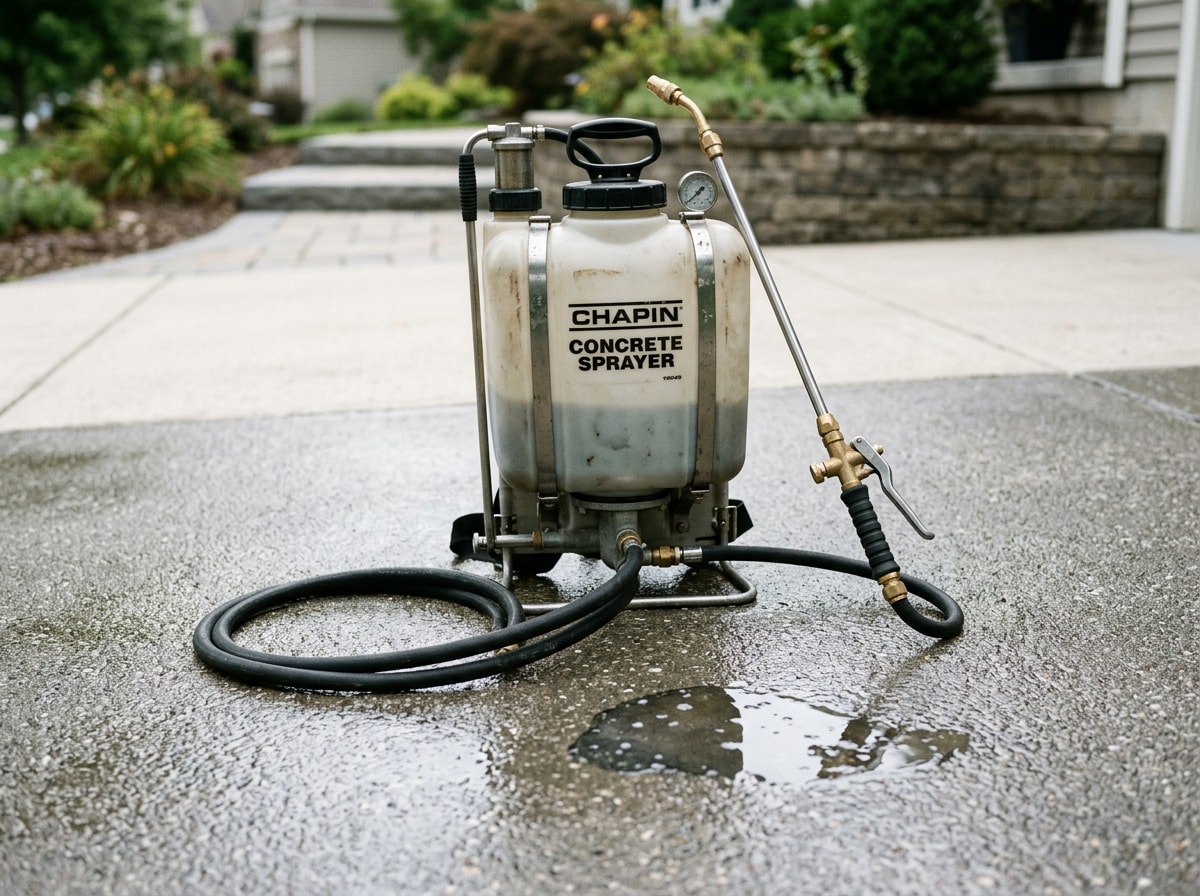
Operating pressure for sealer sprayers typically falls in a working range of roughly 40 to 435 PSI depending on the sprayer class, with most consumer and light-commercial pump sprayers clustering at the lower end. A Chapin industrial pump sprayer built for concrete work, for example, runs at 40-60 PSI operating pressure with a 0.5-1.0 GPM sprayer rate . Fan spray gives a wide, flat pattern for open slabs. Jet spray gives a focused stream for edges and tight corners.
Sprayer Types: Pump-Up, Gas Backpack, and Battery
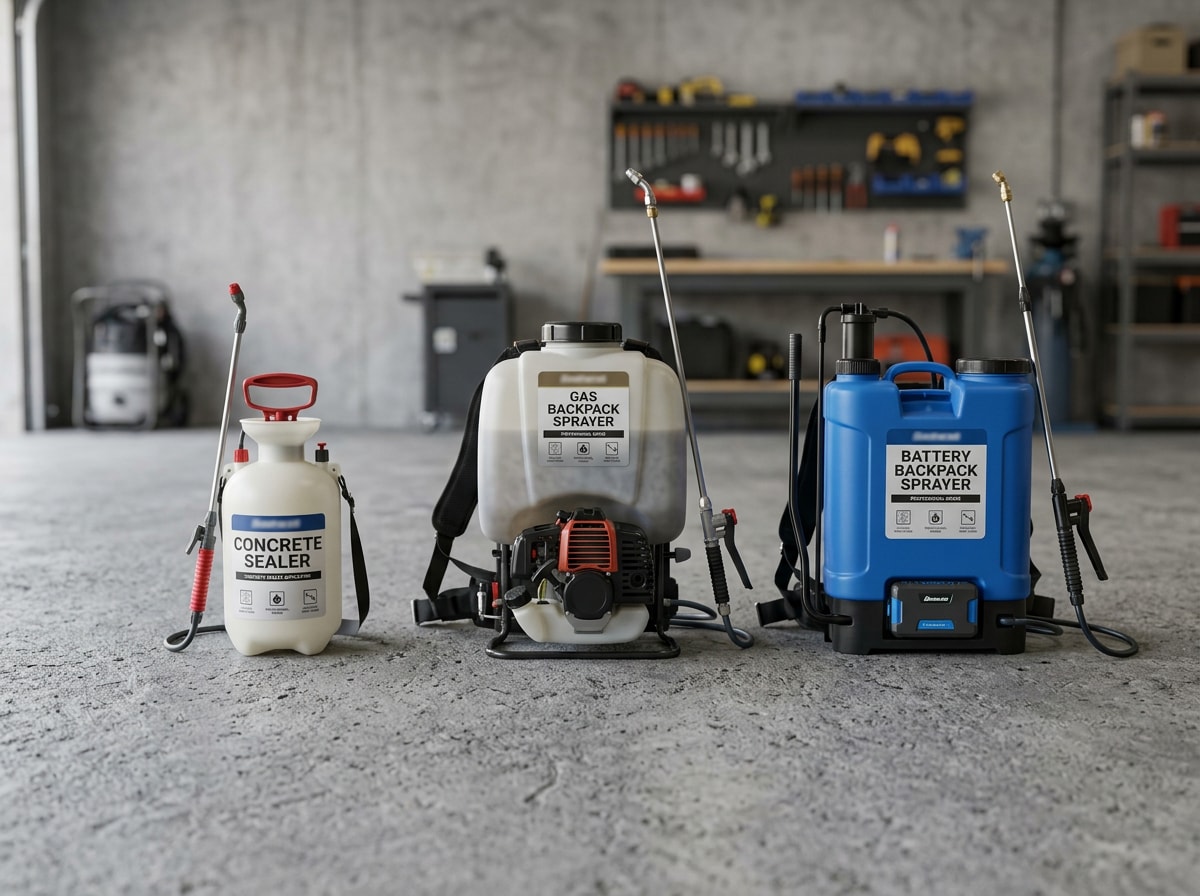
- Pump-up sprayers: 1-3 gallon tanks, hand-pumped, best for water-based sealers on smaller slabs.
- Gas backpack sprayers: Larger tanks (4-6+ gallons) with engine-driven pressure, built for bigger driveways and repeat commercial use.
- Battery-powered backpack sprayers: No gas, no manual pumping, moderate output; a good middle ground for DIY jobs where portability matters more than raw speed.
Comparing Sprayer Classes
| Sprayer Type | Typical Tank Size | Pressure Range | Best For |
|---|---|---|---|
| Industrial pump-up sprayer | 1-3.5 gallons | 40-60 PSI | Small driveways, patios, DIY sealing |
| Gas-powered backpack sprayer | 4-6.5 gallons | Up to several hundred PSI, adjustable | Large driveways, commercial sealing crews |
| Battery-powered backpack sprayer | 4 gallons | Roughly 20-120 PSI | Mid-size jobs, no manual pumping or gas |
Coverage, tank material, and nozzle compatibility vary by manufacturer, so always check the spec sheet before buying or renting.
Preparing and Operating a Sealer Sprayer
Getting a clean, even coat depends more on prep than on the sprayer itself.
- Inspect hoses and seals for cracks or leaks before filling the tank.
- Clean and fully dry the slab, removing dirt, oil, and old sealer residue.
- Start at a low pressure setting and increase gradually until the spray pattern is even.
- Work in overlapping passes, keeping the nozzle a consistent distance from the surface.
- Apply a second thin coat at a right angle to the first for even coverage.
Trade guidance on sealer application backs this up directly: sealer can be applied by sprayer, roller, or broom , but technique and surface prep decide the outcome more than the tool. For solvent-based products specifically, application specs from one major sealer manufacturer are blunt about equipment quality: use a low pressure, high solids, industrial or commercial-grade sprayer fitted with solvent-resistant seals and gaskets, and do not use garden sprayers or form oil sprayers . That one line is the detail most home-improvement articles skip, and it's the reason a $20 garden sprayer from a big-box store often fails on solvent-based driveway sealer within a season.
Safety Considerations
Sealers and curing compounds often contain solvents and fine particulates, so basic PPE isn't optional:
- Chemical-resistant gloves
- Safety glasses or goggles
- Hearing protection around gas-powered equipment
Spray application carries its own regulatory framework separate from general chemical handling. Spray operations are addressed in specific OSHA standards for general industry, maritime, and construction , which is worth a quick read before anyone on a crew sprays solvent-based material in an enclosed garage or breezeway.
Why Cornelius Homeowners Often Skip the Equipment Aisle
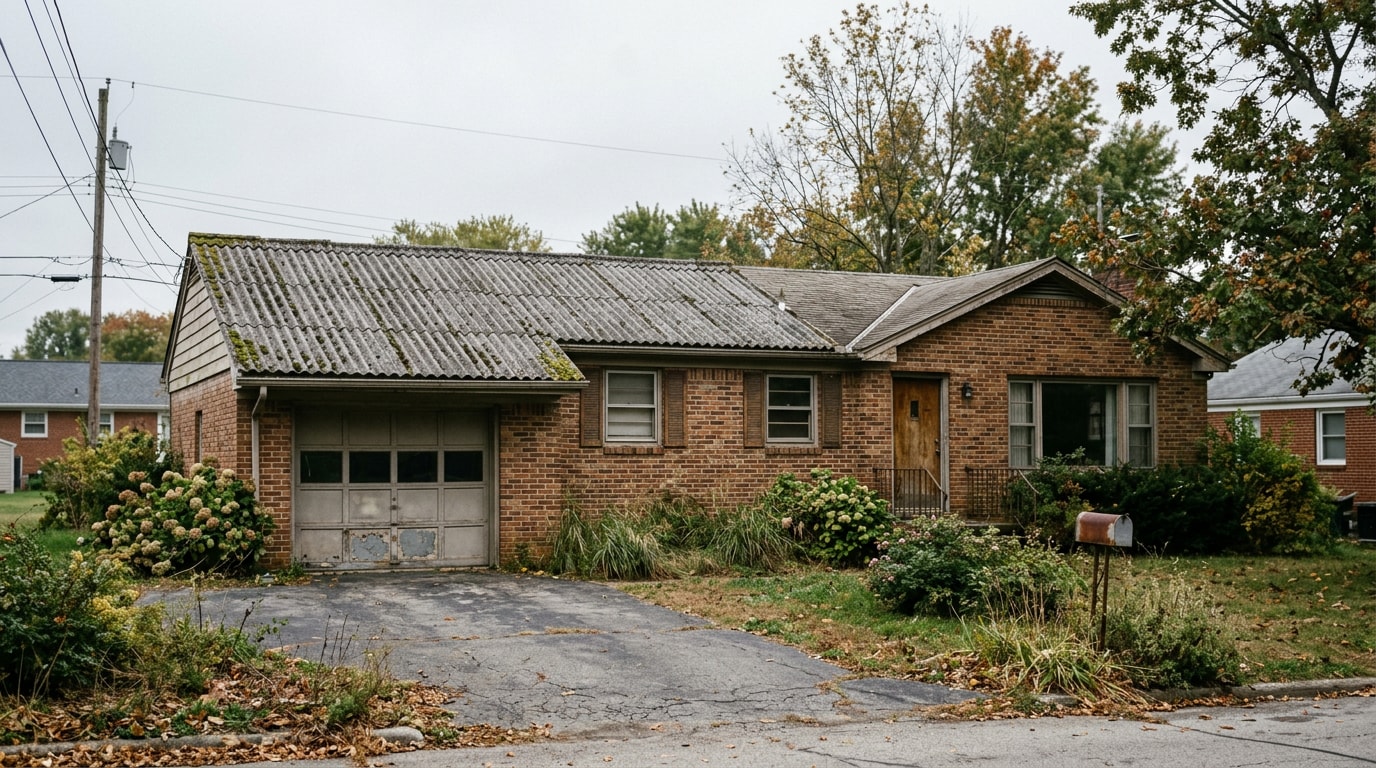
Renting or buying a sprayer only pays off if the job is small, the weather window is wide, and the surface prep is already done right. On real jobs around Lake Norman, prep is usually where DIY sealing runs into trouble. Pressure washing, crack repair, and letting a slab dry fully before sealing all take longer than most weekend schedules allow, especially with Cornelius's humidity working against fast drying times.
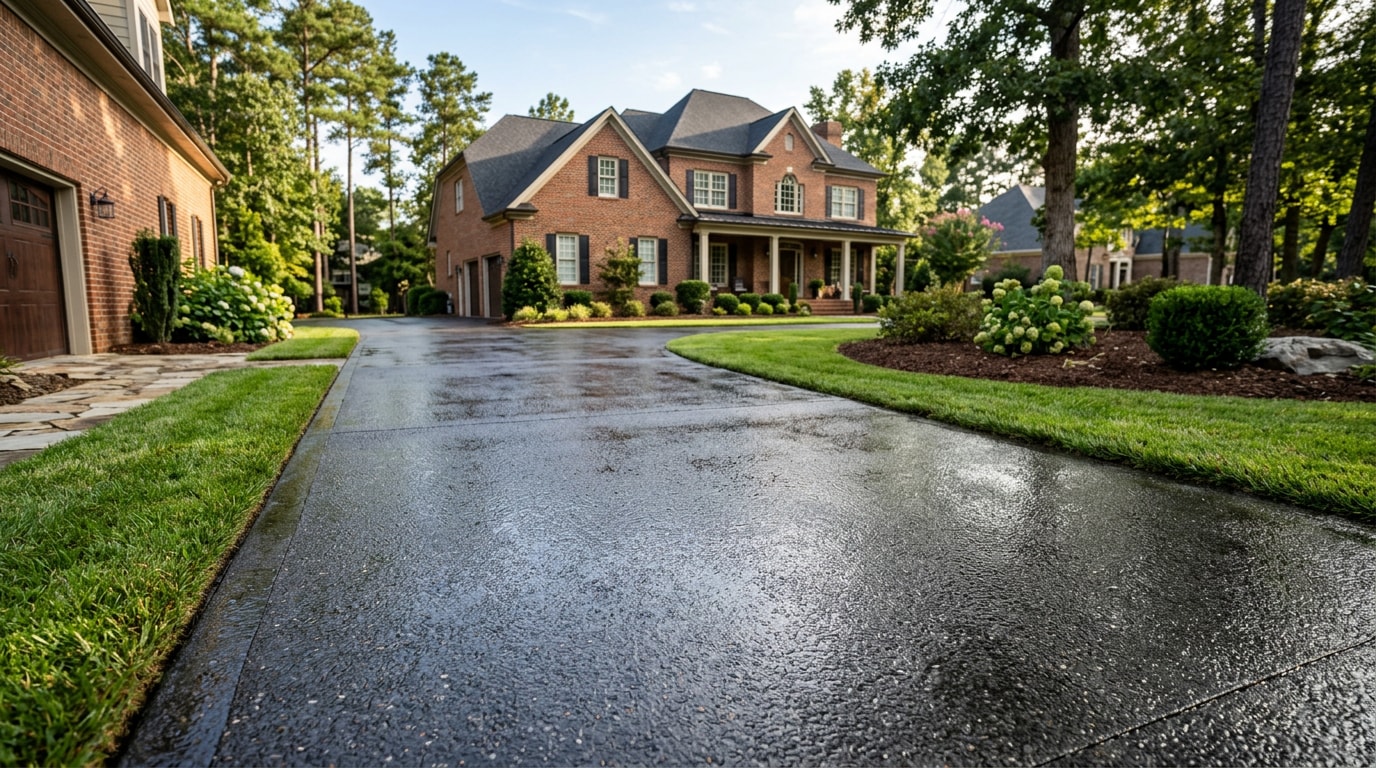
Our crews see this pattern constantly on driveway and paving work throughout Cornelius, NC and the surrounding Lake Norman towns: homeowners rent a sprayer, get an uneven first coat, and end up calling a contractor to fix streaking or peeling sealer within a year. If you're weighing DIY against hiring out, it's worth comparing the cost of a rental weekend against a professional driveway paving or resurfacing quote before buying equipment you'll use once.
For homeowners who want the finished look without the equipment learning curve, our residential paving team handles surface prep, sealing, and finishing as one job instead of three separate trips to the rental counter. We've also covered related concrete finishing options in our post on polished concrete garage floor options in Troutman, NC, which walks through another way to upgrade a concrete surface without a full tear-out.
If your driveway or patio needs more than a fresh coat of sealer, request an estimate and we'll tell you honestly whether sealing, resurfacing, or replacement makes more sense for your slab.
FAQ
Is it better to roll or spray concrete sealer?
Either method works for a penetrating sealer. Sealer can be applied by sprayer, roller, or broom , and the choice often comes down to surface size and personal preference unless the manufacturer specifies one method on the product label.
What type of sprayer is best for applying concrete sealer?
For large driveways, a gas-powered or battery backpack sprayer covers ground faster and more evenly than a hand-pumped unit. For solvent-based sealers specifically, stick to an industrial or commercial-grade sprayer built with solvent-resistant seals rather than a general-purpose garden sprayer.
How do you clean a concrete sprayer?
Flush the tank and hose with several gallons of clean water immediately after use, then run clean water through the nozzle until it runs clear. Dried sealer inside the lines is the most common cause of clogs on the next job.
How much does it cost to seal a concrete driveway in Cornelius, NC?
Cost depends on square footage, sealer type, and how much surface prep (pressure washing, crack repair) the slab needs first. The fastest way to get an accurate number for your property is to request an estimate rather than guess from a national average.
Can I rent a concrete sprayer instead of buying one?
Yes, most equipment rental centers carry pump-up and backpack sprayers by the day. Renting makes sense for a single small job; buying only pays off if you're sealing multiple surfaces or doing this annually.
Is DIY sealing a good idea for a Cornelius driveway?
It can work for a small, well-prepped slab with good weather timing. Humidity and unexpected rain are the two biggest reasons DIY sealing jobs fail locally, which is why many homeowners end up calling a paving contractor once the first coat doesn't hold.
About the Author
This guide was written by the project team at Ward Contracting Inc, a paving, concrete, and retaining wall contractor serving Cornelius and the greater Charlotte metro area. Our crews handle driveway sealing, repair, and resurfacing as part of daily paving work across Lake Norman, and we've seen firsthand which sealer equipment holds up in North Carolina's climate and which doesn't. Browse our completed projects or contact us with questions about your specific driveway or patio.