A concrete plinth in Pineville, NC is a raised concrete base that lifts a structure, post, or piece of equipment off bare soil. Unlike a footing, which pushes a load down into the ground, a plinth sits above grade and spreads that load sideways while keeping moisture and pests away from whatever rests on it. You've probably walked past dozens of them around town without knowing the name — this guide covers what they do, which type fits your project, and what one actually costs here in 2026.
What Is a Concrete Plinth?
A concrete plinth is a poured concrete pad or raised base placed between the ground and a structure. It spreads weight evenly across a wider footprint than the object sitting on it.
Around Pineville, contractors pour plinths most often for:
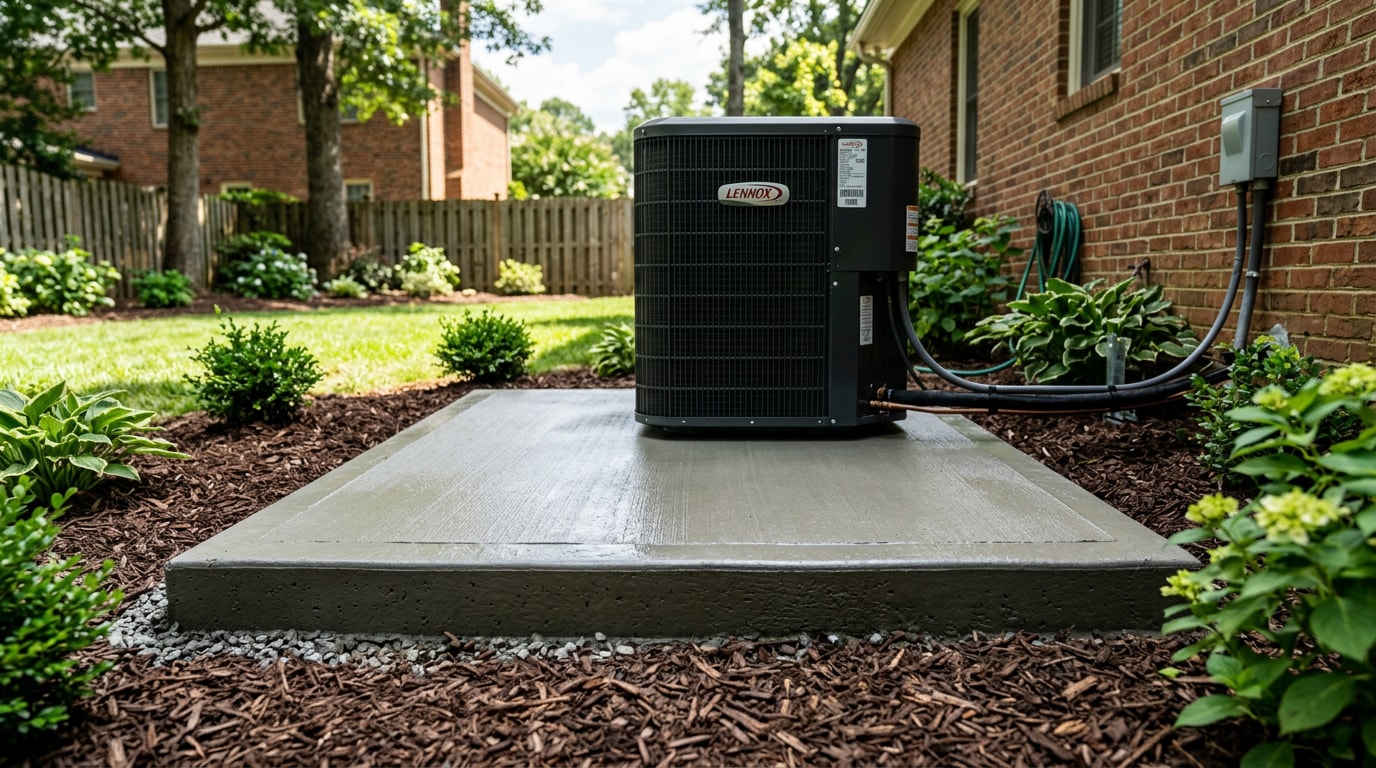
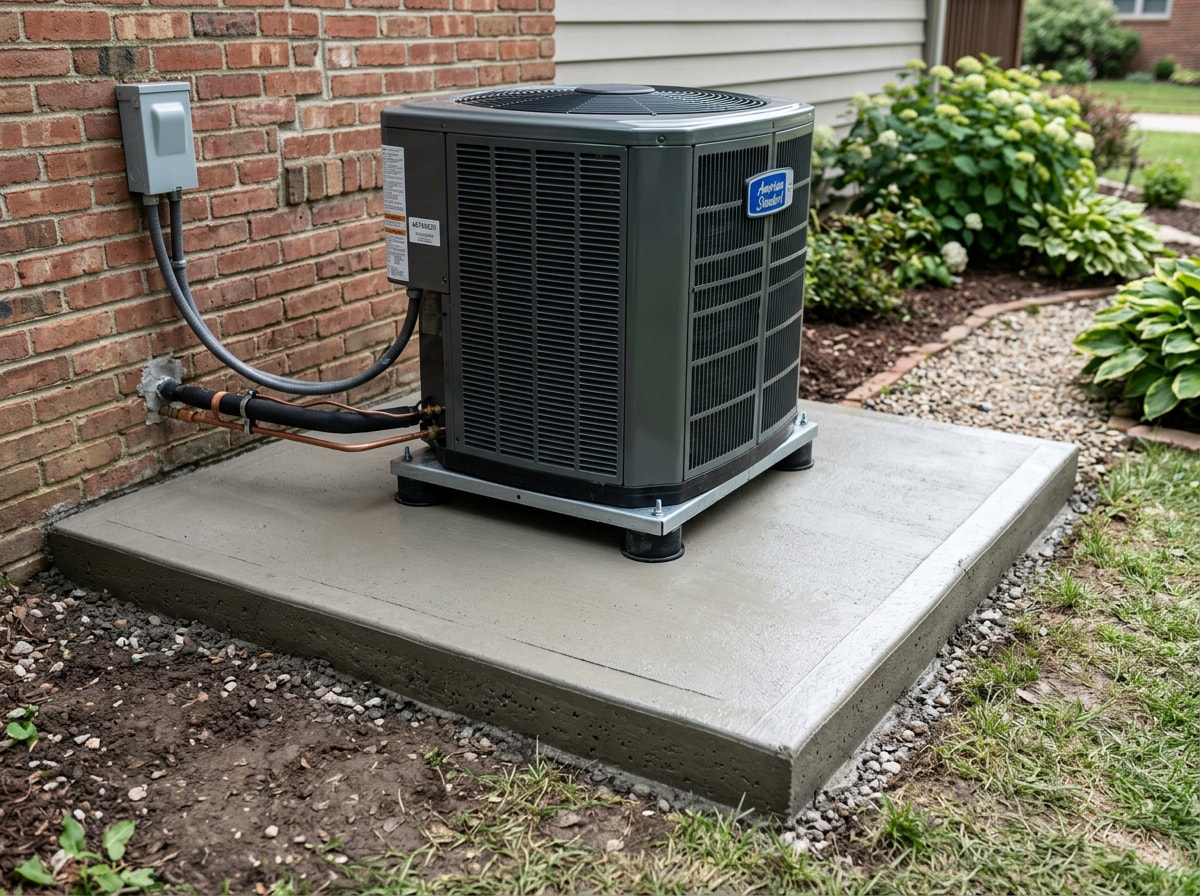
- HVAC condenser pads
- Backup generator pads
- Mailbox posts and light poles
- Shed and outbuilding bases
- Fence posts on sloped or uneven lots
Explore our paving and site work services to see how a plinth or equipment pad fits into a larger project.
Why a Concrete Plinth Matters: Purpose and Key Benefits
A plinth does more than fill space under a structure. It spreads weight evenly, blocks rising moisture, and keeps pests from building a path straight into your walls or equipment.
Load Distribution and Structural Stability
A plinth spreads the weight of a wall, post, or piece of equipment across a wider footprint. This reduces cracking and uneven settling over time.
That matters here because Pineville sits on the clay-heavy soil common across the Piedmont, and that soil expands and contracts as moisture levels change. A properly sized plinth gives a structure more consistent support and cuts the odds of shifting later on.
Our crews pour HVAC and generator pads across Mecklenburg County lots with this exact soil behavior, and the pads that crack early almost always skipped proper base compaction or a full cure window, not the concrete mix itself.
Protection From Moisture
A plinth acts as a moisture barrier, keeping groundwater from wicking upward into walls, posts, or equipment through capillary action. That's one reason plinths show up under fence posts and HVAC pads across humid Southern climates.
Done correctly, a plinth meaningfully reduces water-related damage to whatever sits above it, including wood posts, electrical equipment, and masonry.
Pest Prevention and Long-Term Durability
Elevating a structure off bare soil also limits easy access for termites, a genuine concern in North Carolina's warm, humid climate. The North Carolina Department of Agriculture's structural pest control rules require soil treatment to a minimum depth before a slab is poured, and where fill material is washed stone, termiticide is applied at the rate of 1½ gallons per 10 square feet . A plinth or pad built on properly treated, elevated ground gives termites one less entry point and helps the structure above it last longer.
Types of Concrete Plinths
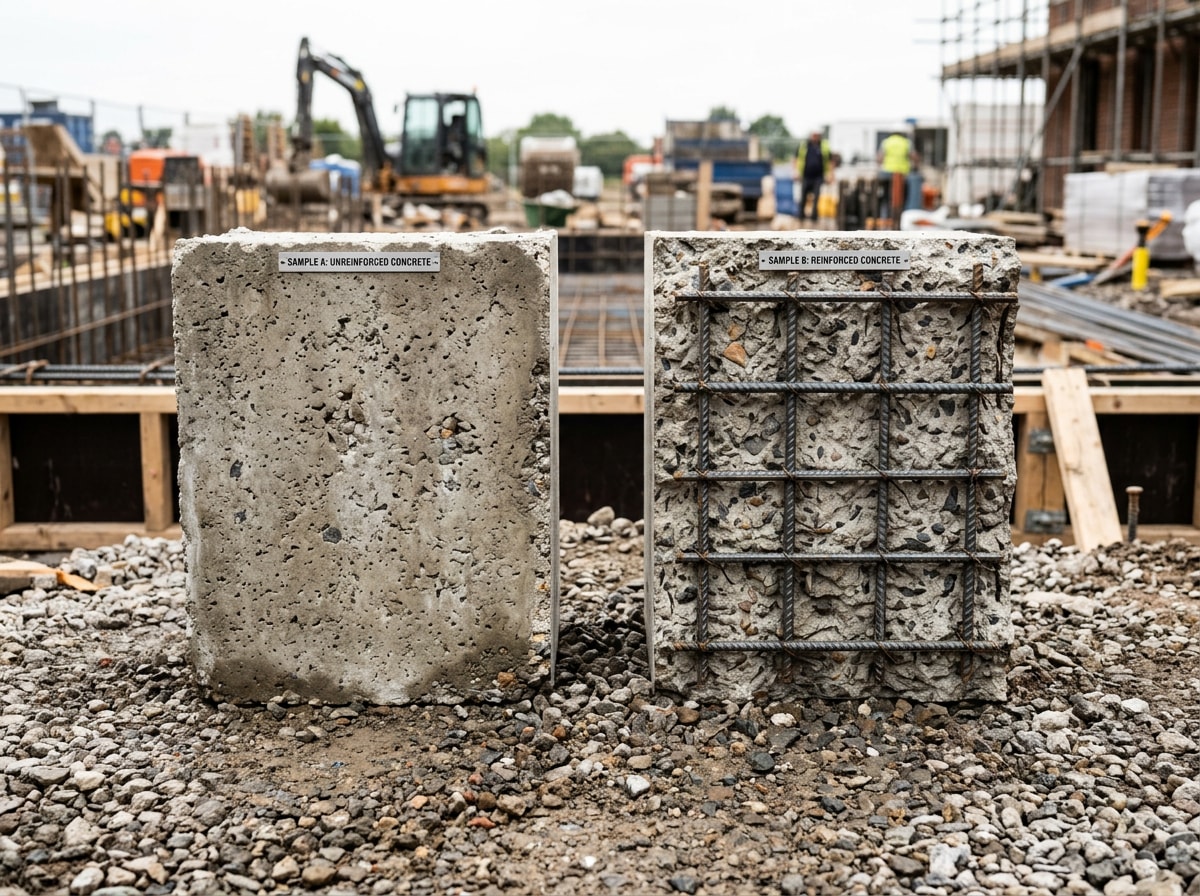
Most residential and light-commercial projects in Pineville use one of two plinth types. The right choice comes down to how much weight it needs to carry.
| Plinth Type | Reinforcement | Best For | Typical Load |
|---|---|---|---|
| Plain concrete plinth | None | Fence bases, garden structures, mailbox posts | Light loads only |
| Reinforced concrete plinth | Steel rebar | HVAC pads, generator pads, equipment bases | Moderate to heavy loads |
Plain Concrete Plinth (Under-Fence Plinth)
A plain concrete plinth uses unreinforced concrete and works well for light loads, like filling gaps under a fence line. This style is common on sloped Pineville lots where a fence needs a solid, level base despite uneven ground.
Reinforced Concrete Plinth
A reinforced concrete plinth adds steel rebar inside the pour, giving it meaningfully higher load-bearing capacity. This is the right choice for HVAC pads, generator pads, and anything supporting heavier equipment.
How a Concrete Plinth Is Built
Standard plinth construction uses cement, sand, aggregate, water, and, for reinforced designs, rebar. The process generally follows these steps:
- Excavate to the planned depth
- Compact a gravel base for drainage and stability
- Build and level the formwork
- Place reinforcement, if the design calls for it
- Pour and finish the concrete
- Cure for the full recommended period
A typical Pineville-area equipment pad install, from excavation to pour, usually wraps in a single day, with curing following after. Concrete reaches workable strength in 24 to 48 hours, but it needs about 7 days of proper curing before it can reliably carry real loads, and a full 28 days to reach its designed strength. Rushing that window is one of the most common causes of early cracking.
In Mecklenburg County, plinth depth and rebar reinforcement for equipment pads generally follow the state building code, and ready-mix suppliers size the mix to the job's loading and finishing needs rather than a one-size-fits-all recipe. There is no typical recipe for concrete mixtures, since concrete materials and mixture proportions vary regionally and with required properties , which is why a local producer's input matters more than a generic online spec.
Most small equipment pads in Pineville don't need a standalone permit, but larger structural slabs, anything over the state's 12-foot accessory-structure threshold, or pads tied into a building's electrical or mechanical systems usually do. Mecklenburg County's own guidance notes that appropriate permits are required for any building construction, alteration, or repair involving new or changed uses of property . When in doubt, check with the county before you pour.
Common Uses of a Concrete Plinth in Pineville, NC
Commercial uses include:
- Equipment pads for HVAC units, generators, and mechanical equipment
- Boundary wall bases that spread a wall's weight and keep masonry off wet soil
- Signage and light pole footings
Residential uses include:
- Garden or sculpture bases
- Mailbox post footings
- Fence plinths filling the gap between panels and sloped ground
- Shed and small outbuilding bases
Browse completed projects for examples of pad and base work across the Charlotte area, or see our retaining wall installation services if your plinth project is really part of a larger wall or grading job.
Concrete Plinth Cost in Pineville, NC (2026)
Pricing depends on size, reinforcement, site access, and how much excavation and base work the site needs.
| Plinth Type | Cost Per Sq Ft (Installed) | Typical Small Project |
|---|---|---|
| Plain concrete plinth | $8–$15 | HVAC pad (~3x3 ft): $250–$600 |
| Reinforced concrete plinth | $12–$20 | Generator pad: $600–$1,200+ |
Treat these as general planning ranges rather than fixed quotes. Material costs, local labor rates, and site conditions all push the final number up or down.
Before you order concrete, confirm the mix details with your contractor. The National Ready Mixed Concrete Association recommends being specific about aggregate size, slump, and other job requirements when placing an order, since the nominal maximum size of aggregate should be smaller than the narrowest dimension through which concrete should flow . Getting this right the first time avoids delays and redo costs on a small pad.
Request a free estimate for pricing specific to your property, timeline, and soil conditions.
Projects like this often pair naturally with other sitework. Our site preparation and base installation services handle the excavation and compacted base that every durable plinth depends on, whether it's a standalone equipment pad or part of a larger paving or wall project. If your project also involves sealing or protecting a finished concrete surface, our guide to stamped concrete sealer options in Pineville covers how to keep decorative concrete protected from the same moisture that plinths are designed to manage.
About This Guide
This guide was written by the team at Ward Contracting Inc, a paving, retaining wall, and sitework contractor serving Pineville and the Greater Charlotte Area. Our crews work directly with Mecklenburg County's clay soils on pads, bases, and wall footings every season, and the construction notes above reflect what actually holds up on local job sites, not just manufacturer spec sheets. Questions about a specific property? Contact us or visit Ward Contracting Inc to see our full service area, including Pineville, Matthews, and Huntersville.
FAQ
Do Concrete Plinths Prevent Termites?
Yes, to a meaningful degree. Elevating a structure off direct soil contact removes an easy entry path for termites. It works best alongside soil treatment, since North Carolina's own pest control standards call for a continuous termiticide barrier under and around a slab before it's poured.
What Is the Difference Between Plain and Reinforced Concrete Plinths?
A plain plinth uses unreinforced concrete for light loads, like fence bases. A reinforced plinth adds rebar for higher load capacity, which makes the choice mostly about expected weight.
What Is the Difference Between a Plinth and a Foundation?
A foundation transfers a building's load down into the soil below ground level. A plinth sits above that point, raising the structure or equipment clear of ground moisture instead of anchoring it into the soil.
How Thick Should a Concrete Plinth Be?
Most light-duty plinths, like fence or mailbox bases, run 4 to 6 inches thick. HVAC and generator pads carrying heavier equipment typically need 6 to 8 inches with reinforcement. An engineer should size anything supporting a structural load.
Do I Need a Permit for a Concrete Plinth in Pineville, NC?
Usually not for a small, standalone pad like an HVAC or shed base. Mecklenburg County requires permits for new construction, structural work, and most mechanical or electrical installations, so a pad tied into a building's systems or exceeding the state's accessory-structure size threshold likely needs one. Confirm with Mecklenburg County Code Enforcement before you pour.
How Long Does a Concrete Plinth Take to Cure?
It reaches workable strength in 24 to 48 hours, enough to walk on carefully. Plan for about 7 days before it carries real loads and 28 days before it reaches its full designed strength.